
“There’s a better way to do this.”
If you’re anything like us, your stuff isn’t just stuff, it’s memories, passions, hobbies, expertise, and joy. It means something, and it’s worth something to you. We’d be pretty upset if anything happened to ours.
We’re from Southern California, too, and like all of you, we know way too many people that it’s happened to over the last four decades. We helped our siblings carry trash bags full of china to a dumpster after a Northern California earthquake smashed it all. We’ve helped friends sift through ashes from fires in Santa Barbara County. We helped our parents shovel three feet of mud and sand out of their living room after storm-tide flooding in San Diego’s Ocean Beach. Our lives’ timelines include just as many milestones as major disasters.
We also know that when it happens, the worst is yet to come: the mad scramble, the waiting, the negotiating, the pleading, and the shock of the final number.
And even then, it still took us years to take the experts’ advice and document our home’s contents, starting with shooting videos on Carl’s iPhone. Simple, right?
…Not exactly. At first, the videos were blurry, we inadvertently left a bunch of stuff out, and six months later, we still hadn’t completed a ledger of any sort. It was hard to start, but utterly impossible to actually finish.
Suddenly, the idea of ensuring our recovery turned out to not be as simple as pulling out an iPhone.
We asked our friends and family if they’d had the same experience with this critical task. Almost universally, “…Yeah, we should probably do that.” A few said, “Sort of? It’s far from complete…” A brother-in-law, “Oh, of course, I keep all the serial numbers in a spreadsheet…” And then his wife: “What about the things that don’t have serial numbers, the wedding china/expensive kitchenware/book collection...?” her voice rising with anxiety.
Knowing we weren’t the only ones was not all that comforting. The truth is that not only has the entire process of preparedness not improved much, if at all, in the past few decades, but having photo and video in all of our pockets hasn’t made us any better at it. If anything, the overwhelm has made it all worse.
We used our backgrounds in technology and specialty photography to make our own inventory less painful. After we finished it, we thought, okay, that wasn’t so bad. In fact, that was actually…sort of pleasant? There is a better way. Most people just wouldn’t know what we know already. We could actually help someone with this.
Statistically, the worst could befall any of us, but we’d really rather it not be you, our friends and neighbors. The least we can do is help you quickly and easily secure all the facts so that if it does, you can get on with your recovery that much faster.
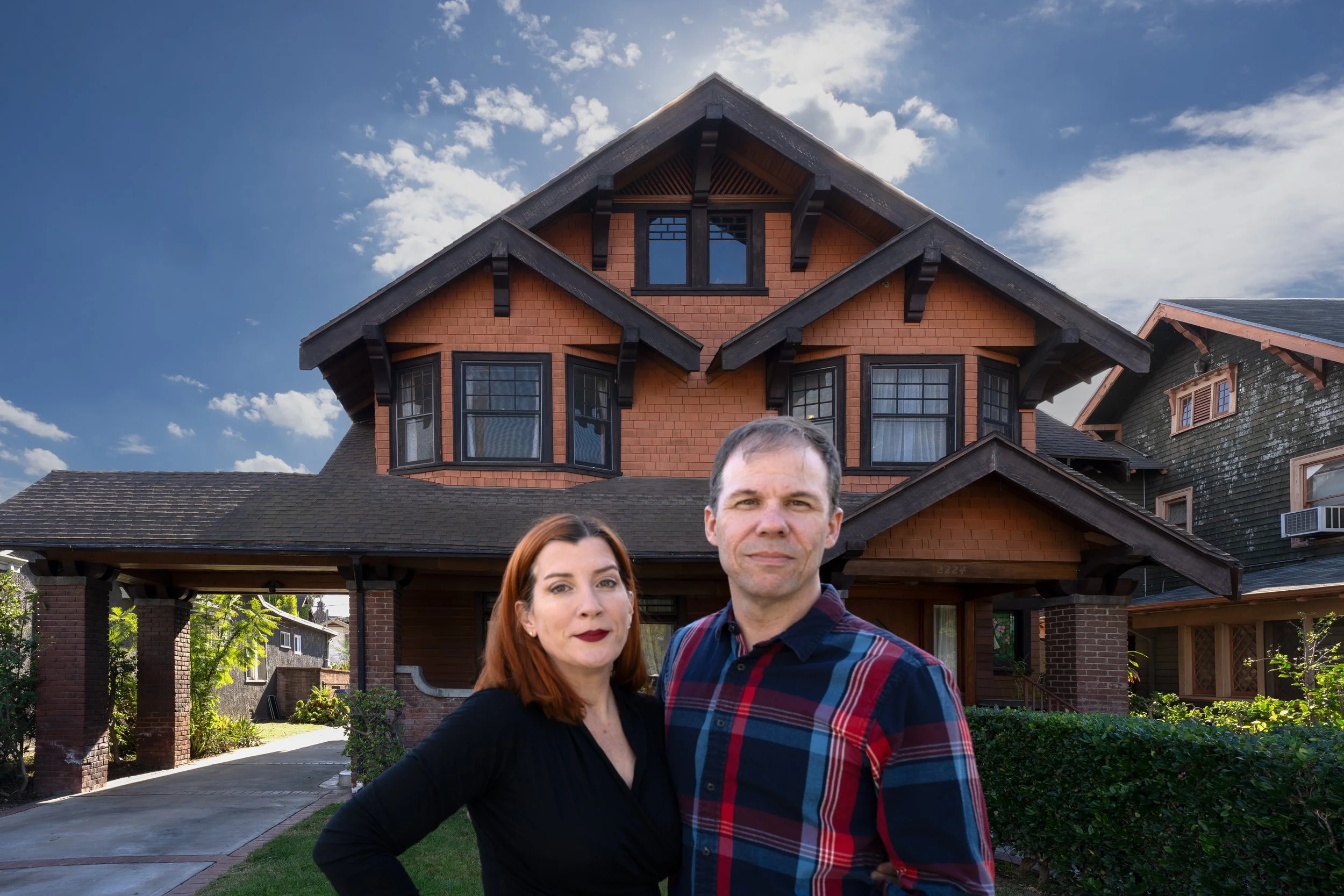
That’s us, Carl and Siobhan, in front of our greatest joy,
and greatest challenge: the Ordway House, ca. 1909.
More About Us
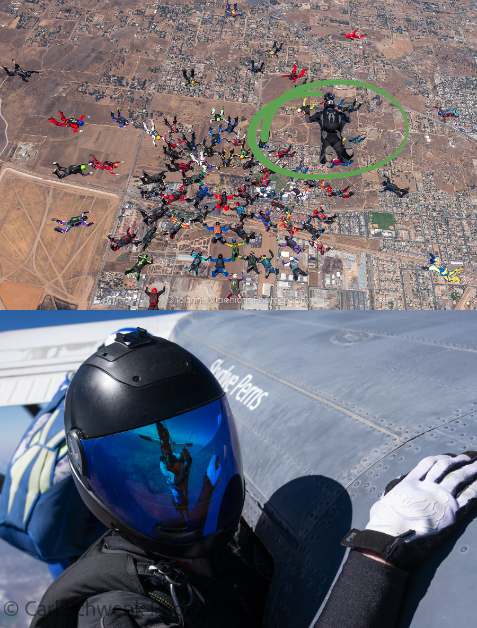
Carl Schwenk
PrincipalCarl’s experience combines a twenty-year career in data-platform technology and a lifelong pursuit of specialty and precision photography. He holds all four of the United States Parachute Association (USPA) licenses for skydiving/freefall sports as well as an FAA Part 107 (Remote Pilot) Certificate. He recently returned from representing the United States in the 2025 FAI World Cup as a member/cameraflyer of the 4-Way team.
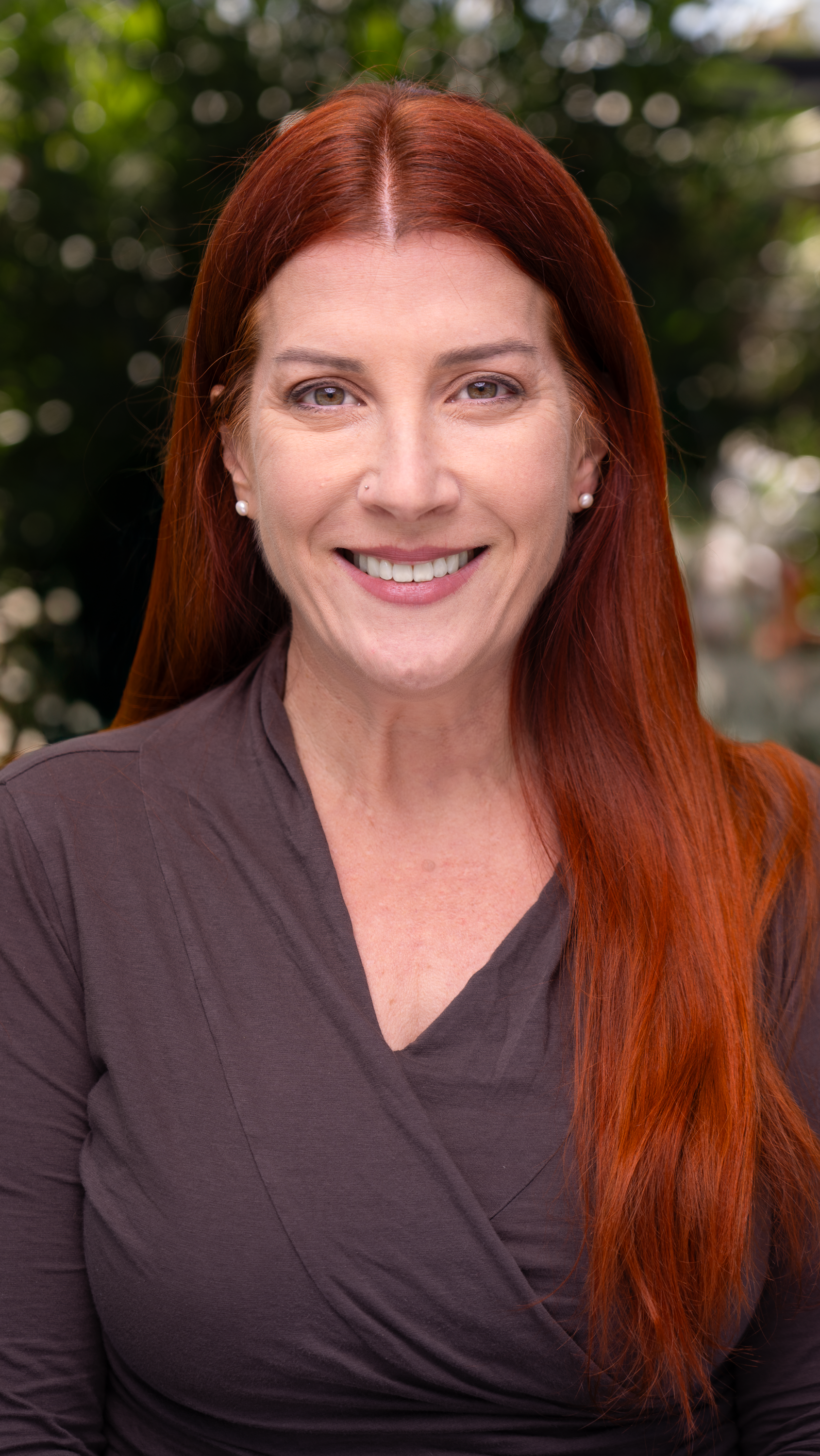
Principal Siobhan O’Neill-Schwenk
Siobhan has had a twenty-year career in communications and marketing in a variety of roles and as a consultant, from project management to strategy & creative, following her curiosity about how product and technology decisions are made, how they impact our homes, workplaces, and interpersonal relationships, and their function as self-expression. She cares a lot about art, antiques, and food, and that crazy green living room is a point of pride.
Contact us
Interested in working together? Fill out some info and we will be in touch shortly. We can’t wait to hear from you!